
Blue Coast Cleanup
Cleaner Coastlines. Healthier Oceans.
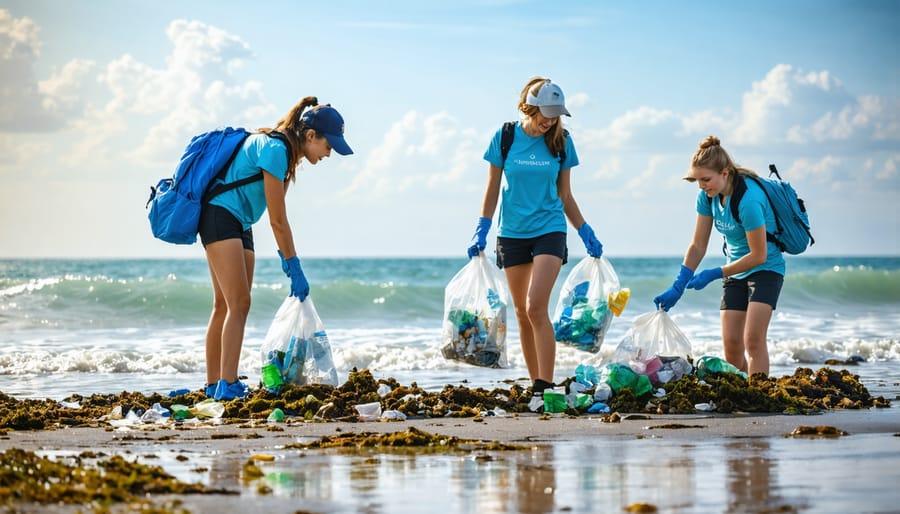
Blue Coast Cleanup brings people together to remove plastic waste and other debris from beaches, shorelines, and coastal areas while building greater awareness of how pollution reaches marine environments.
By combining hands-on cleanup activities with education and community participation, the program helps protect coastal environments today while encouraging practical steps to prevent more plastic from reaching the water tomorrow.
Why Coastal Cleanup Matters
Plastic and other debris can reach coastal environments through many different pathways, including litter left in public spaces, stormwater, rivers, and local waterways.
Once waste reaches beaches and shorelines, it can remain in the environment, break into smaller pieces, or be carried back into the water. Community cleanups provide a practical way to remove this material while bringing attention to the sources and patterns of pollution around us.
For Clean Blue Future Inc., coastal cleanup is not simply about collecting trash. It is an opportunity to protect shared environments, involve local communities, and help people better understand how everyday waste can become a marine pollution problem.
What the Program Involves
Blue Coast Cleanup creates practical opportunities for people to take part in caring for beaches, shorelines, and other coastal areas affected by plastic waste and litter.
Activities are organized around community participation, hands-on cleanup, and environmental learning. Depending on the location and the needs of the community, a cleanup may involve preparing the site, collecting and removing waste, observing the types of debris found, and discussing ways to reduce similar waste in the future.
Preparing
Identifying suitable cleanup areas, coordinating participants, and preparing the materials needed for the activity.
Collecting
Volunteers work together to collect plastic, litter, and other debris from designated coastal areas.
Learning
Participants gain a better understanding of the types of waste found locally and how it can move through the environment.
Reflecting
The experience creates an opportunity to consider practical ways to reduce waste and prevent it from reaching coastal environments in the future.
Every cleanup is an opportunity to remove waste, learn from what we find, and take action before more plastic reaches the water.
Who Can Take Part
Blue Coast Cleanup is designed to make environmental action accessible to people and organizations that want to contribute to the care of coastal environments.
Participation can take different forms depending on the activity, location, and community involved. Some people may take part directly in cleanup activities, while others may help organize events, bring local groups together, or support environmental education.
Individual Volunteers
People can contribute their time and take part in hands-on cleanup activities in their local area.
Schools & Youth Groups
Educational and volunteer activities can give students an opportunity to learn about plastic pollution through direct participation.
Community Organizations
Local groups can help bring residents together, support cleanup activities, and encourage ongoing care for shared coastal spaces.
Environmental Partners
Organizations working in conservation, education, or community development can collaborate on activities that support cleaner coastlines and greater environmental awareness.
Different communities have different needs. We work to create opportunities for participation that are practical, inclusive, and relevant to the places where activities take place.
From Cleanup to Prevention
Removing plastic from a beach addresses waste that is already present in the environment. But lasting progress also depends on reducing the amount of waste that reaches the shoreline in the first place.
Blue Coast Cleanup gives communities an opportunity to see the problem directly. The types of plastic and other debris found during a cleanup can help people recognize how everyday products, disposal practices, and local environmental conditions are connected to coastal pollution.
We use these experiences to encourage conversations about prevention — from reducing unnecessary single-use plastics to making more informed choices about waste and supporting cleaner practices within communities.
The goal is not simply to clean up what has reached the coast, but to help prevent more waste from getting there.
Help Keep Our Coastlines Cleaner
Coastal protection starts with people who are willing to take part. Whether you volunteer your time, help connect your community with environmental activities, or support our work, there are different ways to contribute.
Get Involved